Traralgon and Drouin Battery Energy Storage Systems (BESS)
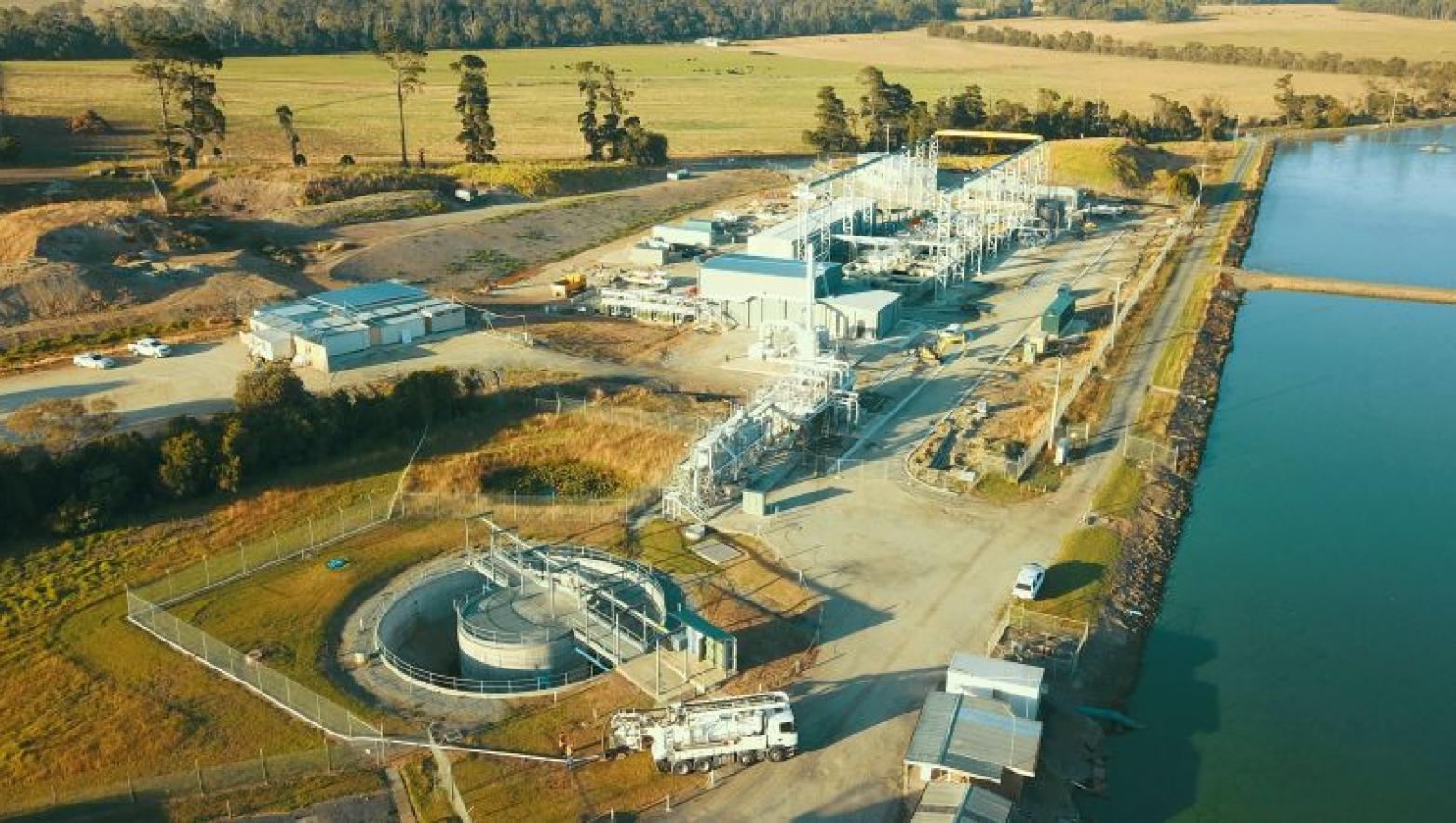

Our team was engaged by AusNet to study the potential for Battery Energy Storage Systems (BESS) for support two Gippsland Water facilities essential for providing reliable water services to growing regional populations. The opportunity was to improve the energy resilience of the infrastructure as well as support organisational goals to become 100% renewable energy powered.
An innovative floating solar array at Drouin Wastewater Treatment Plant and a hydro turbine at Traralgon Water Treatment Plant generate power for these two facilities. Our goals were to help Gippsland Water to maximise their consumption of the power generated and to improve energy reliability in a region where network power outages can be an issue.
Working closely with AusNet, we conducted energy flow modelling to determine the optimal BESS size for each site. This assessed a range of factors including each site’s generation capacity, current and future electricity demand, historical power outage data and network constraints.
The modelling, conducted with Orkestra, resulted in advice on the most effective approach to BESS developments to improve reliability and the self-consumption of available renewable energy while also operating within the capacity of available AusNet infrastructure.
This is an example of the complexity involved in BESS energy flow modelling as well as the diversity of financial, operational and environmental benefits that can be targeted.


Site Designed and Built By Section Media